
Getting more customers through the door is one way to grow a streetwear business. Getting each customer to spend a little more while they are already shopping is often the faster and cheaper one. That second lever is average order value, and for most retailers it is the most overlooked source of profit on the floor.
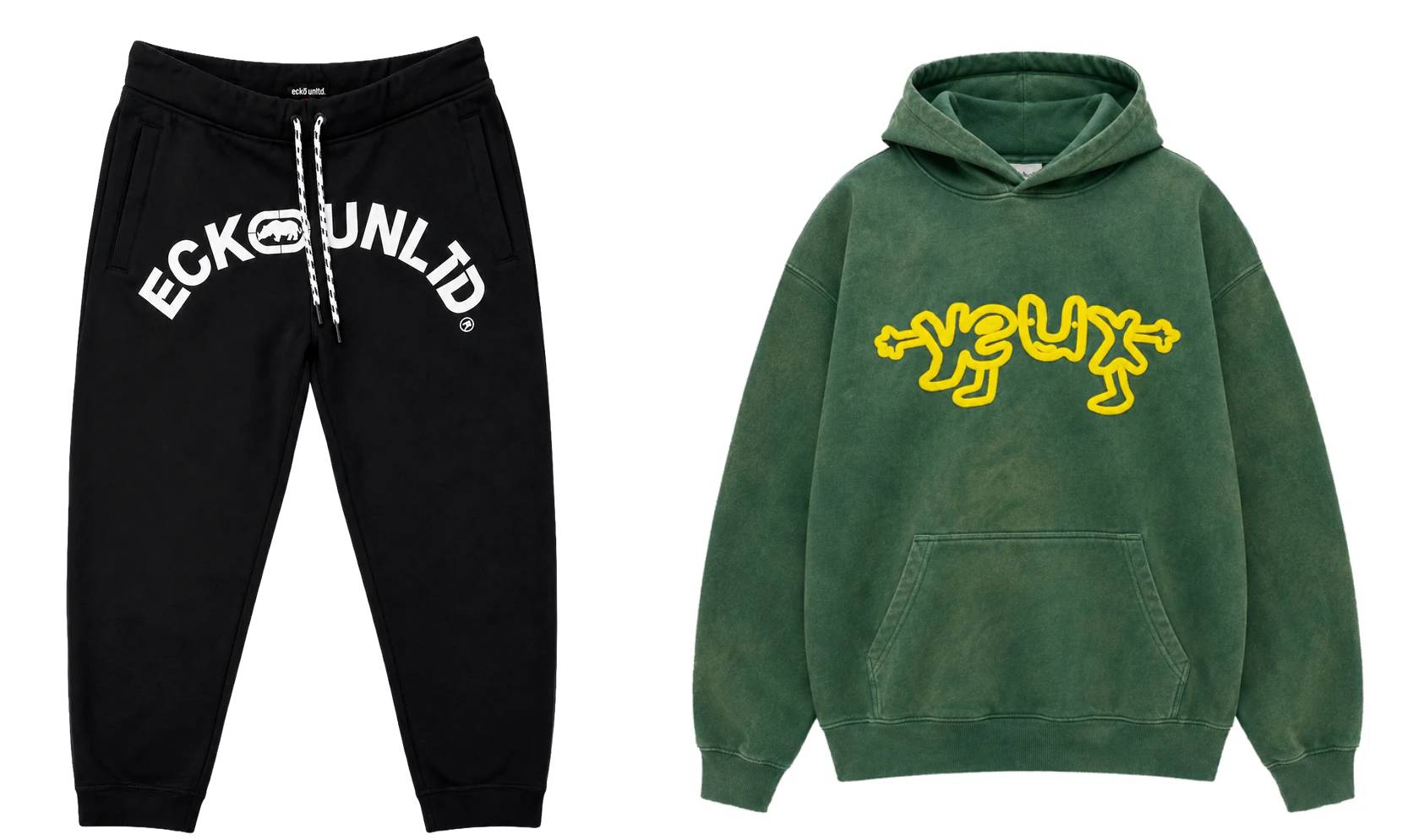
Increasing average order value does not mean pushing a shopper from a $30 purchase to a $100 one. It usually means turning a one-item sale into a two or three-item sale by offering products that naturally complete what the customer already wants. The key word is naturally. The most effective add-on makes the extra purchase feel like the obvious next step, such as a hat with a graphic tee, socks with an athletic-inspired outfit, or a bag alongside cargo pants and an oversized hoodie.
Across hundreds of transactions, those small additions compound. Better still, lifting the value of a sale you have already won costs far less than acquiring a brand-new customer. A strong add-on strategy starts with knowing which products belong together, where to place them, and how to make the decision easy.
Why Add-On Products Work So Well in Streetwear Retail
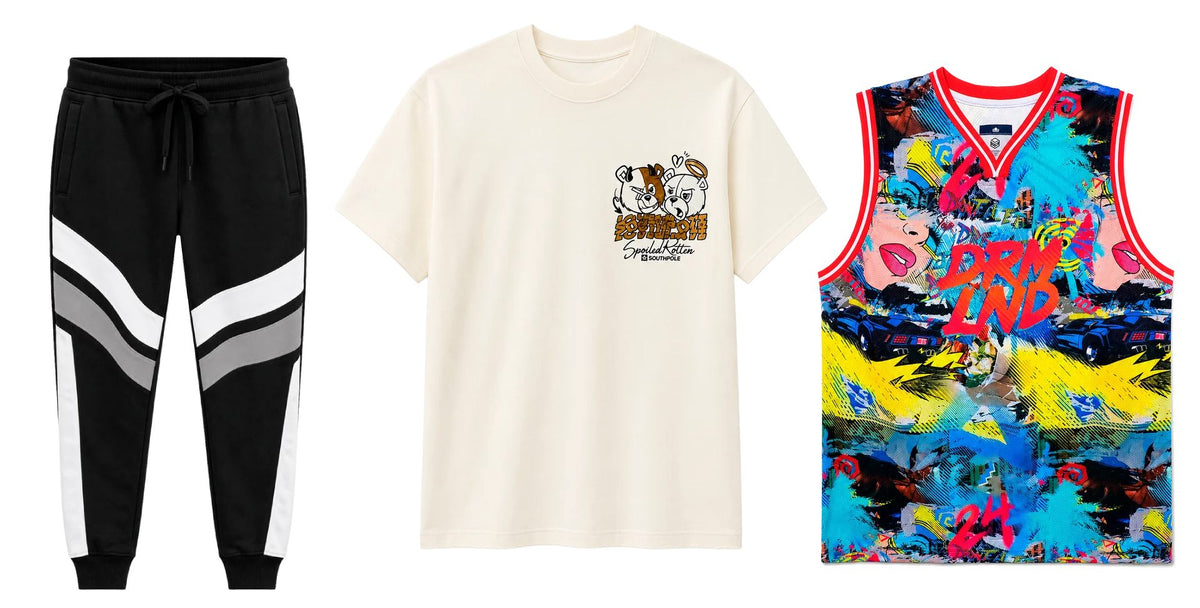
Streetwear suits add-on selling because customers shop in terms of complete looks, not isolated garments. Someone buying baggy denim is often already picturing the tee, hat, or accessory that finishes the fit. A shopper drawn to a jersey may be equally open to basketball shorts or socks in the same athletic vein. That mindset lets you merchandise around outfits and show customers the full look instead of asking them to imagine it.
The economics favor the approach too. A small accessory asks far less of a shopper than a second major apparel piece. A customer who is not ready for another hoodie may still happily add a hat or a pair of socks, which is why the goal is not the most expensive add-on but the easiest relevant one.
Hats Are the Most Versatile Add-On for a Streetwear Store
Hats are among the most natural add-ons for a men’s streetwear retailer because they complement nearly every apparel category. A customer buying an oversized tee, a hoodie, denim, or cargo pants can fold a hat into the same outfit without much thought.
That versatility gives you room to present hats throughout the store rather than in one isolated wall. A neutral cap can sit with everyday basics, while a bolder graphic style belongs next to statement tees and outerwear. The aim is to help the shopper picture the finished look, because a hat shown in context reads as part of the outfit rather than an unrelated extra. Pay attention to which pairings recur; when specific hats keep selling with particular tees or hoodies, let that pattern guide future displays and buys.
Socks Offer a Low-Friction, High-Relevance Addition
Socks rarely command the attention of a graphic tee or a statement jacket, and that is exactly why they work as an add-on. They are practical, inexpensive, and relevant to almost everyone walking in. Placement decides their fate. Tucked in a low-traffic corner they go unnoticed, but positioned near sneakers, basketball shorts, or the register they become an easy yes.
Tie them to an aesthetic to make the connection feel deliberate. Athletic styles sit naturally beside jerseys and shorts, while cleaner options pair with everyday basics. Because the decision takes so little thought, socks also perform near checkout, where the shopper has already committed to the larger purchase and an inexpensive extra is a small final step.
Accessories and Bags Give Customers a Way to Personalize a Look
Accessories carry outsized weight in streetwear because individual expression is central to the culture. Two customers can start from the same graphic tee and denim, then build completely different looks through what they add. That makes accessories useful for both merchandising and basket building; you are not just selling another item, you are giving the shopper a way to make the purchase their own.
Bags are a strong example. A tote is an easy, low-cost addition that finishes a casual outfit, while a backpack or duffle appeals to the customer looking for a functional, higher-ticket piece rather than an impulse buy. Whatever you carry, the assortment should still reflect the store’s identity. Stocking unrelated items just because they are cheap makes the floor feel cluttered, so choose accessories that make sense next to your apparel and speak to the same customer. This is also where sales data earns its keep. If certain accessories keep showing up in multi-item orders, give them visibility and keep proven sellers in stock.
Product Pairing Makes Add-On Purchases Feel Natural
The right inventory is only half the strategy; you also have to build logical connections between products. Instead of surrounding a graphic tee with nothing but more shirts, merchandise it with baggy denim and a coordinating hat. Show a jersey with basketball shorts and athletic socks. Pair cargo pants with an oversized tee and a bag.
These groupings do something valuable. They cut the work the shopper has to do. Customers can see immediately how the pieces fit, which makes buying the whole look easier, and it especially helps shoppers who like streetwear but are not confident assembling outfits themselves. Pairing also surfaces categories a customer might otherwise skip, since someone who came for a hoodie may pick up a hat or bag simply because you showed it in the same styling.
Where You Place Add-Ons Determines How Often They Sell
Think about where add-on merchandise appears across the whole shopping journey. The checkout counter works well for low-commitment products, but it should not be the only place they show up. Introduce complementary pieces while the customer is still shopping: hats near graphic tees, bags near outerwear, socks beside athletic-inspired apparel. Each placement creates a relevant prompt at the moment it is most likely to land.
Online, the same logic applies. Relevant products can appear on product pages, in cart recommendations, or inside styled collections, as long as they genuinely fit what the shopper is viewing. Prioritize relevance over volume. A wall of unrelated suggestions creates decision fatigue, while a few well-chosen ones make shopping easier.
Measure Which Add-Ons Actually Lift Average Order Value
Treat your add-on strategy as something to measure, not assume. Start with what customers buy together. If hats consistently appear in orders with graphic tees, that is useful merchandising intelligence. If jersey buyers routinely add basketball shorts but skip unrelated accessories, let that shape both your displays and your next wholesale order.
Weigh average order value against sell-through, too. An accessory that lifts basket size but barely moves may not deserve the same inventory investment as one that reliably sells alongside several apparel categories. Over time, this turns guesswork into a floor built around what customers have already shown they want.
Frequently Asked Questions
What are the best add-on products for a streetwear store?
The strongest add-ons naturally complement your core apparel. Hats, socks, bags, and other accessories tend to work well because they pair with many outfits and ask far less commitment than another major clothing piece.
How can a streetwear retailer increase average order value?
Make complementary purchases easy to discover. Thoughtful product pairing, complete-outfit displays, relevant checkout merchandise, and well-chosen online recommendations all encourage a larger basket without aggressive upselling.
Where should streetwear accessories be displayed?
Let the product decide. Low-commitment items like socks do well near checkout, while hats, bags, and styling accessories usually earn more sales displayed beside the apparel they complete.
Should retailers discount products to encourage add-on purchases?
Not usually. Good merchandising drives multi-item purchases without cutting prices. Test pairing, placement, and styling first before leaning on discounts that erode your margin.
How can online streetwear stores encourage customers to buy more?
Use relevant product recommendations, styled collections, and cart suggestions to recreate in-store pairing digitally. Keep the suggestions selective and tied directly to what the shopper is viewing or buying.
Turn Individual Purchases into Stronger Streetwear Sales
Increasing average order value is not about pressuring anyone to spend more. It is about making it easy for shoppers to find the pieces that genuinely complete what they already want. For streetwear retailers, that means thinking past individual items and merchandising complete looks, so a single apparel sale becomes a larger, more satisfying purchase.
The same discipline sharpens your buying. Once you know which products sell together, you can invest confidently in complementary inventory and avoid tying up capital in extras that never connect with your core assortment. At Steal Deal, we supply wholesale men’s streetwear and urban apparel across complementary categories, from tees and hoodies to hats, socks, and accessories, so you can build collections that work as outfits rather than a shelf of disconnected products.
Call us at (213) 797-7379 or visit www.StealDeal.com to explore wholesale streetwear, apparel, and accessories that help you build stronger product combinations and a more profitable retail floor.