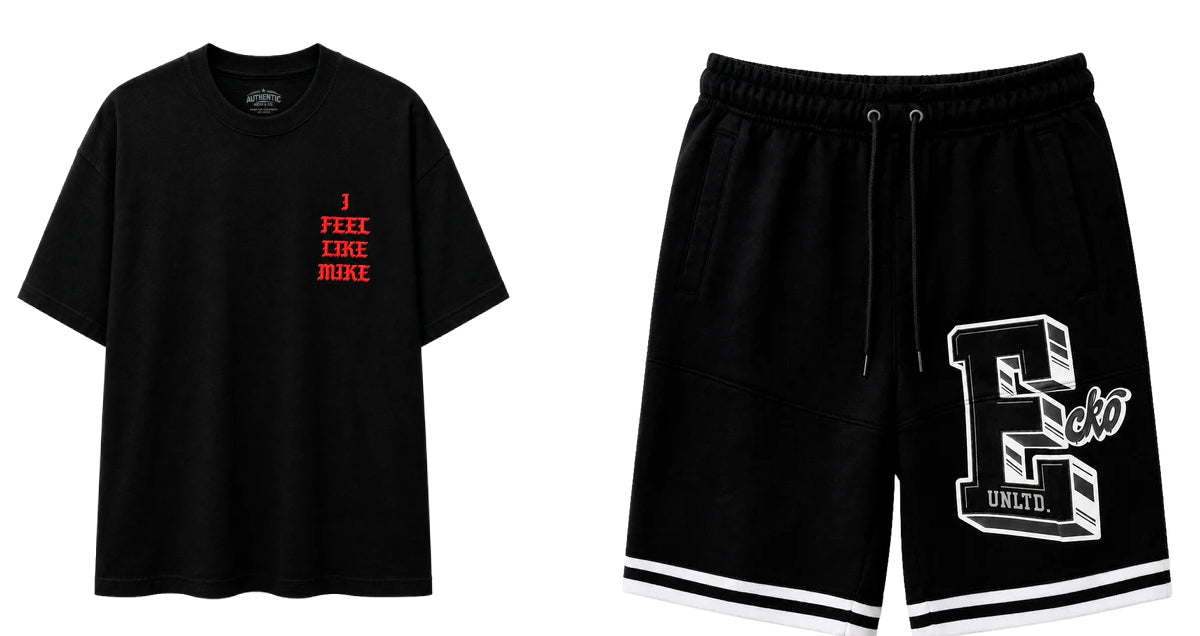

Pricing streetwear looks simple until you do the math. You buy at wholesale, add a markup, and expect the difference to become profit. In practice, that difference has to cover rent, payroll, processing fees, shipping, returns, and eventual markdowns, so the number on the tag does far more work than most retailers realize.
Price too low and you generate sales without enough margin to run the business. Price too high and shoppers hesitate, compare, or walk. The goal is not the highest price customers will tolerate. It is a price that protects margin while making sense for the product, the market, and the customer, and that starts with your true costs and each item’s role in your assortment.
Know the Difference Between Markup and Margin
Retailers often use markup and margin interchangeably, but they measure different things and confusing them is how a healthy-looking markup turns into a thinner profit than expected. Markup compares the amount you add to an item’s cost. Margin measures profit as a share of the selling price.
Take a graphic tee that costs $6 at wholesale and sells for $18. The markup is $12, or 200 percent of cost, which sounds enormous. The gross margin is that same $12 against the $18 sale, or about 67 percent. Every operating expense comes out of that margin, not out of revenue. Rather than picking an arbitrary multiplier, work out the gross margin your business needs, then check whether each product can realistically support it.
Calculate the Real Landed Cost Before You Set a Price
Wholesale price is only where the math begins. Steal Deal sells in packs: each style comes as a six-piece pack, and the order minimum is $500. A licensed graphic tee at $36 per pack works out to $6 a unit, and a hoodie pack runs roughly $48 to $72, or about $8 to $12 a piece. Those are starting numbers, not final ones.
Add freight and receiving, and that $6 tee lands closer to $7. Payment processing, packaging, fulfillment, and marketplace fees add more, especially online. You need not allocate every overhead dollar to every shirt, but you do need an honest picture of what it costs to get merchandise into the customer’s hands. That $18 tee now earns about $11 gross on a $7 landed cost, a margin near 61 percent, and that is the number to plan around.
This is also why supplier comparisons should look past the sticker. A cheaper product is not the better buy if freight, inconsistent quality, returns, or weak sell-through erode its real profitability. Buying and pricing are one decision, not two.
Let Perceived Value and Category Set the Price, Not a Single Formula
Cost sets the floor a product must clear, not what it should sell for. Customers judge value on quality, design, fit, brand, and uniqueness, so a heavyweight oversized tee with a distinctive graphic can justify a higher price than a basic shirt even at similar wholesale cost. Hoodies with heavier fabric and better construction support stronger pricing than entry-level sweatshirts, and cargo pants with distinctive detailing sit above basic joggers.
Different categories also play different roles and should not all carry the same margin. Everyday basics run on repeat purchases and volume. Hoodies and jackets involve a bigger commitment and need clear perceived value. Hats, socks, and accessories work as easy add-ons. A retailer can accept a leaner margin on a high-volume basic that draws customers in, then seek stronger margin on pieces with real uniqueness. Every item does not need to hit the identical percentage to contribute.
Build a Price Ladder Across the Store
Not every shopper walks in with the same budget. Multiple price points let customers participate at different levels: someone not ready for premium outerwear can still buy a graphic tee or a hat, while another will spend considerably more on a distinctive hoodie, a jacket, or a full outfit built around a jersey. Accessible pieces create easy additions to a larger purchase, lifting average order value, while premium pieces leave room for higher-value transactions.
The ladder only works when price and perceived value stay consistent and the range fits the setting, since a price that reads as fair in a premium boutique can feel excessive in a value-focused urban apparel store. Shoppers should see why one product costs more through quality, design, construction, or brand. When pricing feels arbitrary, customers turn price-sensitive. When the value gap is clear, a wider range makes the store easier to shop.
Study Competitors for Context, Then Price to Your Own Numbers
Competitive research is useful, but copying nearby stores or online sellers is not a strategy. Look at what comparable products sell for, matching on quality, brand, and customer segment rather than category alone, since a $25 graphic tee and a $60 graphic tee serve different buyers.
Another retailer’s economics are not yours, though. They may have different wholesale costs, lower overhead, higher volume, or simply be pricing badly. Use the market for expectations, then decide on your own costs and positioning.
Protect Margin and Plan Markdowns Into the Buy
Frequent discounting trains customers to treat the regular price as temporary. If shoppers expect a promotion every few weeks, they have little reason to pay full price, and you lose the ability to tell whether a product sells on its merits or on its discount. Strategic markdowns still have a place for seasonal or aging inventory. The mistake is reaching for one whenever sales slow, before checking whether placement, styling, or a missing complementary product is the real issue.
Markdowns also belong in the buying decision, not just the clearance rack. Because each style arrives as a six-piece pack, you are pricing to sell through six units, not one. If the first four move at full price and the last two need a markdown, your original margin has to absorb that without turning the pack into a loss. A margin so thin that a modest discount erases the profit leaves no room when demand falls short. That is not an argument for inflated prices; it is a reason to weigh cost, selling price, demand, and margin together before ordering. Spreading the $500 minimum across several styles also lets you test breadth rather than betting deep on one.
Use Sell-Through to Judge Whether the Price Is Working
The clearest evidence comes from customer behavior. A product that sells out fast signals strong demand, though that does not automatically mean the price should rise; it means checking whether the item outperforms comparable products and whether reordering makes sense. Slow sell-through needs a different read, since fit, color, season, or merchandising may be the cause rather than price. Judge price alongside turnover, margin, and markdown activity, never in isolation.
Over time this builds real data. You may find customers accept a certain range on hoodies but grow sensitive once graphic tees cross a threshold. Let those patterns guide your next wholesale order before money is committed.
Frequently Asked Questions
What is a good markup for streetwear?
There is no single markup that works for every retailer. It depends on wholesale cost, operating expenses, customer expectations, category, competition, and the gross margin the business needs to stay profitable.
Should wholesale cost determine the final retail price?
Wholesale cost sets the minimum price required for profitability, but it should not be the only factor. Also weigh perceived value, quality, brand positioning, competition, demand, and what your customers expect to pay.
How can retailers tell when a streetwear item is priced too high?
Slow sales can be a sign, but price should not automatically take the blame. Check merchandising, quality, fit, style, seasonality, and demand first.
Is discounting streetwear a good way to increase sales?
Strategic discounts help clear aging or seasonal inventory, but constant promotions erode margin and teach customers to wait for sales. Fix merchandising and positioning first.
Should online and in-store streetwear prices be the same?
Consistent pricing keeps things simple, but each channel carries different costs. Online sales add fulfillment, shipping, marketplace, and processing expenses that in-store sales do not.
Build a Pricing Strategy That Supports Long-Term Profit
Streetwear pricing should never come down to multiplying wholesale cost by a standard number and hoping. Profitable pricing means knowing your real landed costs, the margin you need, what customers see as valuable, and how each item performs on the floor. Retailers who watch sell-through, protect margin, and discount selectively improve over time, and those insights sharpen the next wholesale buy.
Steal Deal supplies wholesale men’s streetwear across graphic tees, hoodies, joggers, cargo pants, jerseys, hats, and accessories, so you can build an assortment across multiple price points. The goal is not the lowest wholesale cost. It is merchandise that leaves room to price competitively while protecting the margin your business runs on.
Call us at 213) 797-7379 or visit www.StealDeal.com to explore wholesale streetwear and build an assortment that lets you price competitively while protecting long-term margins.