
Most streetwear stores don’t fail because they picked ugly clothes. They fail because they bought the wrong mix: too much of a fading trend, not enough of what actually sells week after week, and inventory that ties up cash instead of turning it. The brands you carry decide your sell-through, your margins, and whether customers come back, which makes brand selection one of the highest-leverage decisions you make as a retailer.
The instinct to chase whatever is trending on TikTok is understandable, but hype is a poor buying strategy. Shoppers today weigh quality, fit, and value as heavily as they weigh a logo, and a brand that spikes for a month can leave you marking down racks for the rest of the season. The retailers who win treat every brand as a business decision. Does it serve a real customer, does it hold up, does it move, and does it work alongside everything else on the floor? At Steal Deal, we supply thousands of wholesale men’s streetwear retailers, and the same few factors separate profitable buys from expensive mistakes.
Start With Your Customer, Not the Brand
The most common buying mistake is stocking what you personally like instead of what your customer will actually pay for. Your taste and your customer’s taste are not the same data point, and only one of them pays your rent. Before you evaluate a single brand, get specific about who walks through your door and what they came for.
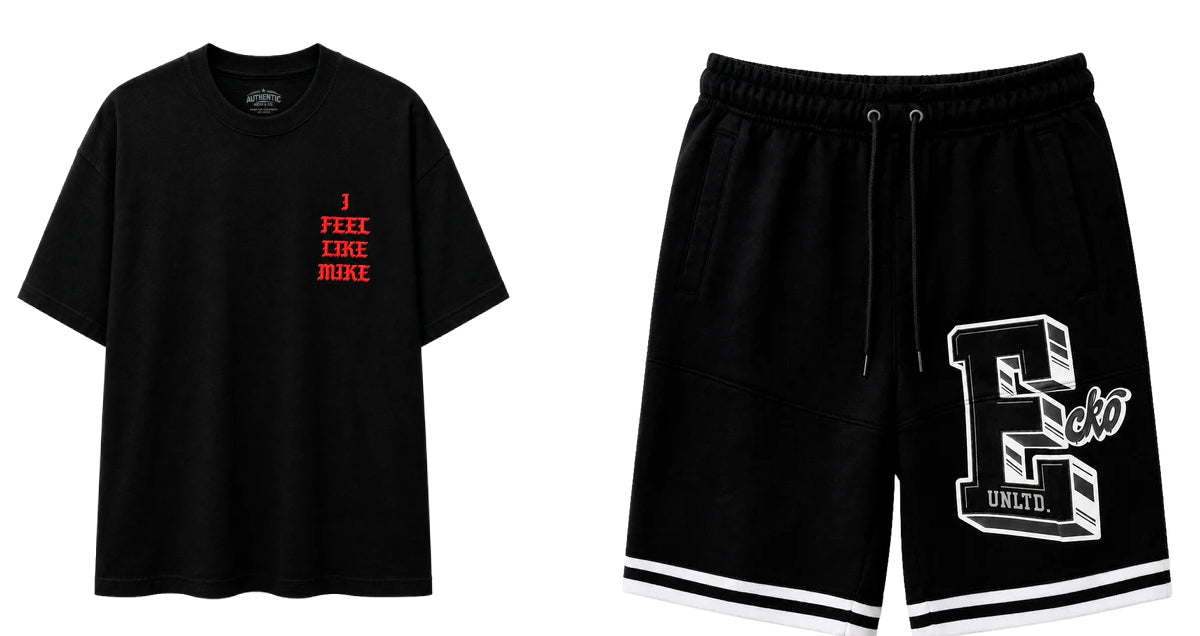
A sneaker-driven shop sells differently than a shop near a college campus. The first moves oversized graphic tees, cargo pants, and hoodies that complete a look around a footwear release. The second leans on jerseys, basketball shorts, and joggers that students buy for everyday wear. Once you know which of these describes your customer, most brand decisions make themselves, because you stop guessing and start buying to a defined demand. That focus also protects your cash, since every dollar goes toward inventory you already know will move rather than a scattershot bet on appealing to everyone.
Judge Product Quality Before You Judge Popularity
Style gets the first sale; quality gets the second. A customer buys a hoodie because it looks right, but they come back to your store because it held its shape and color after ten washes. Weak product does the opposite. It drives returns, sinks your reviews, and quietly costs you the repeat business that actually makes a store profitable.
When you assess a wholesale streetwear brand, handle the garments. Check the weight of the fabric, the stitching at the seams, the consistency of the fit across sizes, and how a print holds up. This matters most on the workhorse categories, including tees, hoodies, joggers, cargo pants, and denim, because those get worn hardest and expose quality problems fastest. Treat quality as a driver of repeat purchases and referrals, not as a cost line to minimize.
Separate Lasting Demand from a Short Trend
Every buyer wants product that creates excitement, but there’s a real difference between a style with staying power and one that spikes and dies. Streetwear moves fast because it’s pulled by music, sports, and sneaker culture, and reading those shifts early is an edge, as long as you don’t over-commit to a single trend that leaves you holding markdowns when attention moves on.
The safest buys balance timeless demand with current styling. Core silhouettes such as quality tees, hoodies, cargo bottoms, jerseys, and athletic-inspired pieces stay relevant season after season, while newer graphics and cuts keep the floor feeling fresh. When you look at a new brand, ask whether its pieces mix into what you already carry and whether they’ll still sell in three or four months. If the answer is yes to both, it’s a candidate for your core. If not, keep it to a small test buy.
Choose Brands That Protect Your Margins and Turnover
A popular brand is not automatically a profitable one, and the wholesale price on the sheet is only part of the math. What matters is the relationship between your cost, what the customer believes the piece is worth, and how fast it sells. Product with genuine quality and current design supports a healthier retail price without triggering resistance, which protects your margin.
Turnover often matters more than markup. A style with a modest margin that sells through in a few weeks can out-earn a high-margin piece that sits for two months, because the fast mover frees up cash you can reinvest. Factor in reorder speed and minimum order terms, too. Low per-style minimums let you test a brand across several styles without overbuying, then reorder only the winners. Steal Deal’s structure, a $500 order minimum with just six pieces per style, is built for exactly that, so you can validate demand before you scale it. Buying this way keeps best-sellers in stock and dead inventory off your shelves.
Build a Portfolio, Not a Pile of One-Off Bets
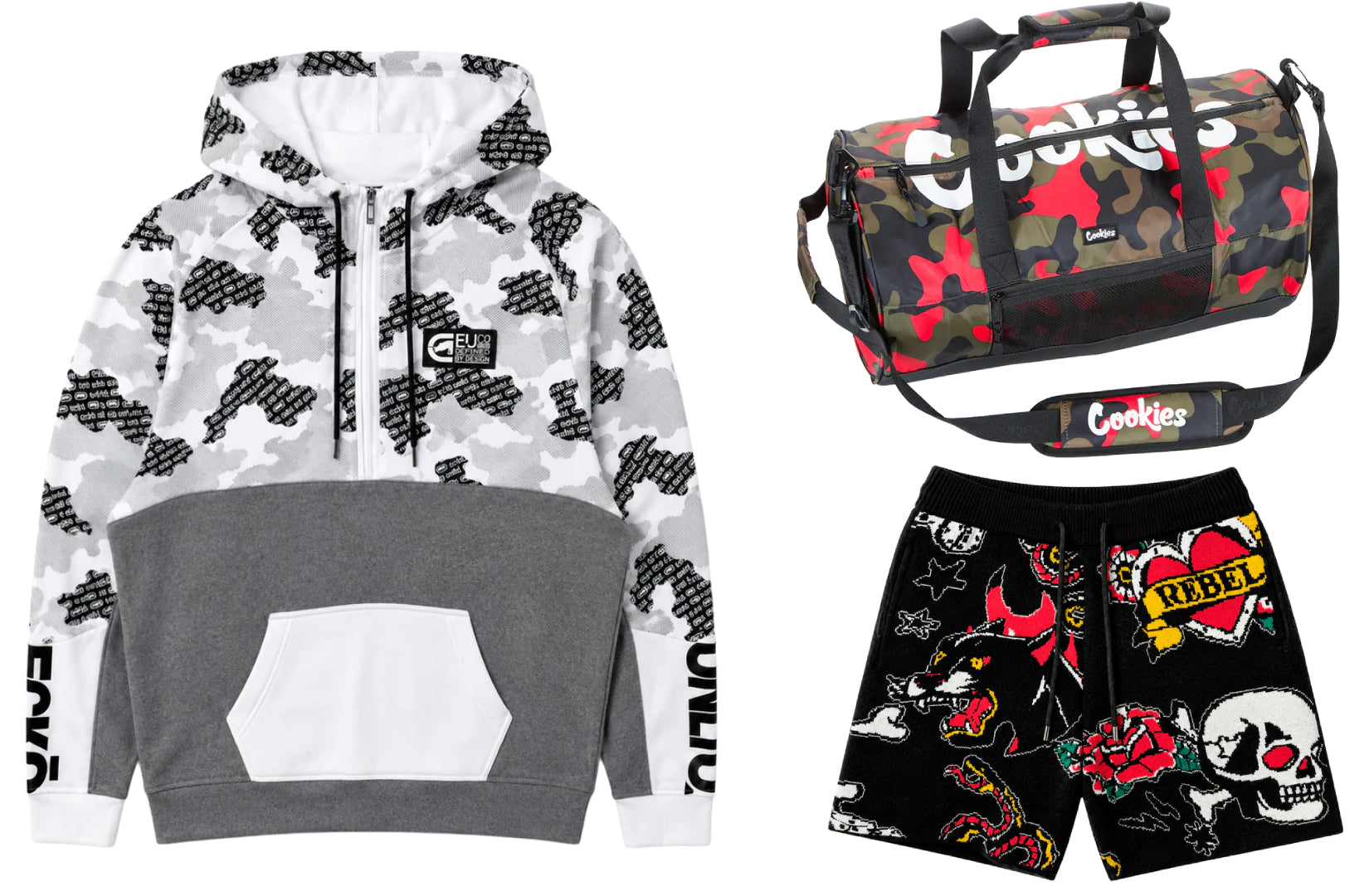
The strongest stores rarely ride a single brand. They assemble a mix where each brand plays a role. One anchors your graphic tees, another owns premium hoodies and joggers, and another brings cargo pants, denim, or jerseys, so the floor reads as one cohesive collection rather than a shelf of unrelated buys.
That structure does two things for your bottom line. It lifts average order value, because a customer who came for a tee can build a full outfit with a matching hoodie and bottoms in the same visit. And it lowers risk, because when one category cools, the rest keeps selling. The goal isn’t to carry the most brands possible. It’s to carry the right few that complement each other and reflect the store experience you want customers to remember.
Vet the Supplier as Closely as the Brand
The best brand list won’t help you if your supplier can’t keep it in stock. A reliable wholesale clothing distributor gives you more than product. It delivers consistent quality, dependable availability on reorders, competitive pricing, responsive service, and a steady flow of new arrivals so your floor never goes stale. Those things are what let you spend your time merchandising and selling instead of chasing shipments.
An experienced distributor also understands the retail calendar, including seasonal buys, restock timing, and how to plan an assortment, which turns the relationship into a partnership rather than a transaction. At Steal Deal, we refresh our wholesale men’s streetwear regularly across tees, hoodies, joggers, cargo pants, shorts, jerseys, hats, and accessories, so retailers can build assortments that bring customers back and hold margins through the season. New styles land first in our New Arrivals collection.
Frequently Asked Questions
How many streetwear brands should a retailer carry?
There’s no fixed number, but most profitable stores run a curated mix of complementary brands rather than leaning on one. A balanced assortment gives customers variety, lifts average order value, and spreads your risk if any single style slows.
What should retailers look for in a wholesale streetwear brand?
Weigh product quality, fit consistency, price-to-value, trend relevance, reorder availability, and how cleanly the pieces fit your existing assortment. A brand that checks those boxes tends to sell through faster and generate fewer returns.
Is it better to carry trendy brands or established ones?
The strongest floor uses both. Established, core-category brands deliver dependable sell-through, while a few carefully chosen trend pieces pull in new customers and keep inventory feeling current.
How often should retailers review their brand selection?
Every season. Look at sell-through, customer feedback, turnover, and margin by brand, then reinvest in the winners and cut the styles sitting past 60 to 90 days.
Can a new retailer succeed without big-name brands?
Yes. Plenty of boutiques build loyal followings on quality wholesale streetwear and sharp merchandising rather than name recognition, especially when they buy in small, testable quantities and scale what proves itself.
Choose Streetwear Brands That Help Your Business Grow
Building a profitable streetwear store comes down to buying with intention. The brands you choose should strengthen your store’s identity, match real customer demand, move quickly enough to protect your cash flow, and work together to lift the size of each sale. Retailers who evaluate quality, lasting demand, margin, turnover, and supplier reliability consistently outperform the ones buying on hype alone.
As the market keeps shifting, the buyers who stay disciplined will adapt fastest while holding their margins. The winning collection isn’t the one with the newest brand. It’s the mix your customers trust, return for, and tell their friends about.
Visit www.StealDeal.com today to explore our latest wholesale men’s streetwear collections and discover inventory designed to help your store grow year-round.