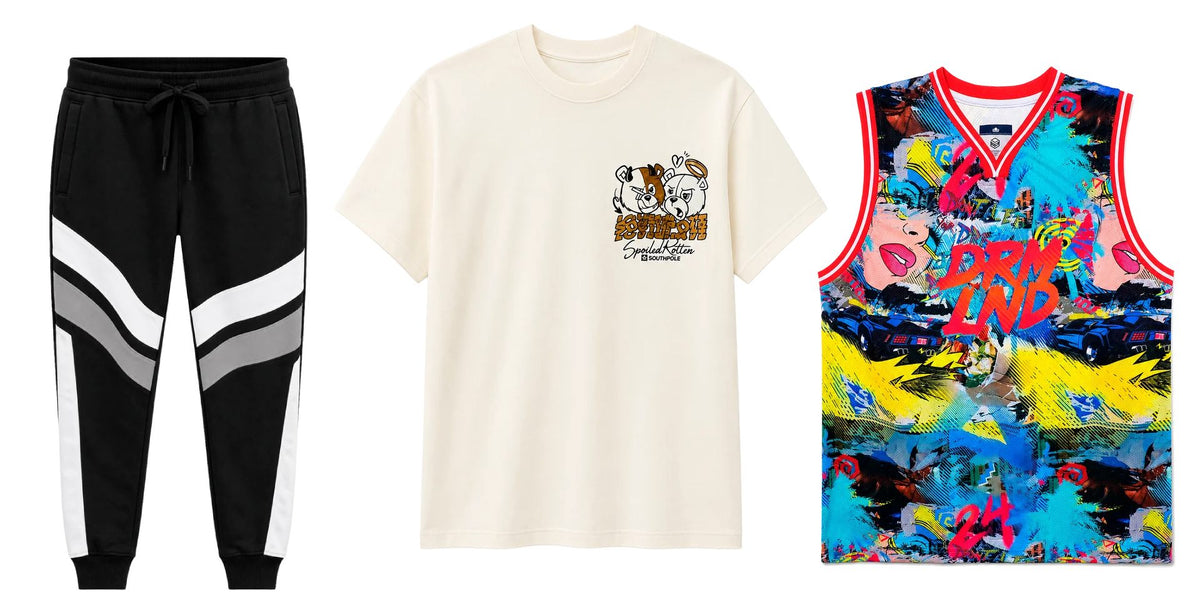

One of the fastest ways for a streetwear retailer to create a cash flow problem is to buy too much inventory too early. A big order makes a store look fully stocked, but merchandise sitting on racks is money that cannot go toward rent, payroll, advertising, or restocking what customers are actually buying. Buying too little creates the opposite problem: popular sizes sell out, strong styles disappear before demand is captured, and shoppers leave empty-handed.
No universal unit count fits every store. The right amount depends on available cash, sales history, category, seasonality, supplier minimums, and how quickly you can reorder. The goal is not the biggest wholesale order your budget allows. It is enough inventory to test demand, support expected sales and keep the business moving without trapping cash in products that have not yet proven themselves.
Start With the Cash You Can Safely Commit to Inventory
Before deciding how many graphic tees, hoodies, or cargo pants to buy, work out how much working capital can go to merchandise without creating pressure elsewhere. A common mistake is treating the whole bank balance as the inventory budget. A retailer with $15,000 in the account may assume a $10,000 order is reasonable, but that money also has to cover rent, payroll, shipping, taxes, and the surprises every store runs into. Inventory should compete for capital like every other expense.
This matters most for newer stores without reliable sales patterns. Until demand becomes predictable, flexibility is worth more than having every style on the floor. A smaller opening order also leaves cash for the thing retailers most often underestimate: replenishment. When one style becomes an immediate bestseller, you want the cash to reorder it rather than having the budget locked into slow movers, and the same reserve lets you respond when a new trend shows up after the order is placed.
Know the Unit You Are Actually Buying In
Most wholesale streetwear is sold in packs, not loose units, and that shapes every quantity decision. At Steal Deal, each style comes as a six-piece pack and the order minimum is $500. A graphic tee pack runs about $36, or $6 a unit, and hoodie packs run roughly $48 to $72. So the real floor for an opening order is not an abstract unit count: $500 buys roughly eight to twelve packs, which is 48 to 72 pieces spread across several styles. That is a sensible starting point for a new store and a useful benchmark for any order.
Packs also arrive as pre-sized runs, often one pack covering S through XL and another covering M through 2XL. You are not choosing sizes unit by unit, but you are choosing which run matches your customer. A store whose shoppers skew larger should favor the run weighted toward XL and 2XL, because four packs of a style are not 24 equally sellable units if demand sits in sizes the pack is light on. Think in packs and size runs, and how much to buy gets a lot clearer.
Buy Deeper into Proven Styles and Test New Ones One Pack at a Time
Not every product deserves the same commitment. A style you have sold steadily for months has real data behind a larger buy; a brand-new graphic or unfamiliar silhouette does not, however promising it looks. Buy deeper into dependable demand and shallower into what is still being tested. If black hoodies sell all through the cooler months, ordering three or four packs is low risk because past sales back it up, and larger proven buys are where Steal Deal’s bulk discounts on orders over $2,000 earn their keep. A new graphic tee with an unusual design should start at one pack until customers show they want it.
That single pack is your test, and its job is partly to sell and partly to gather information. Watch which sizes move first, which colors draw interest, whether shoppers try the piece on without buying, and whether it sells at full price. A strong test says reorder and go deeper next time; a weak one tells you before significant capital is trapped. This matters most with trend-driven streetwear, where social media buzz does not always translate into sales, and one pack lets you join a trend without betting the budget on it.
Let Replenishment Carry More of the Load
Retailers often overbuy out of fear of running out, but oversized orders are not the only way to stay in stock. If your supplier holds inventory and fills reorders quickly, you can start conservative and restock proven products as they sell, which keeps cash free and limits exposure to underperformers. The key variable is lead time. A product you can replenish in a week calls for a very different buy than one that may be gone for months.
Set a reorder point before stock runs dangerously low, because waiting until the last hoodie sells creates an avoidable gap. Weeks of supply is the simplest way to do this: if you have 30 units of a style and sell five a week, you hold about six weeks of supply, which is far more useful than knowing you have 30 pieces. Compare that figure with lead time, seasonal demand, and planned promotions; if a proven style has two weeks left and replenishment takes three, it is already time to reorder. New stores should keep early orders conservative and let real sales data sharpen the numbers.
Match Depth to Category, Season, and Assortment Breadth
Different categories sell at different speeds. Core basics such as plain tees, hoodies, joggers, and dependable denim justify deeper inventory because they sell across a long window. Trend-dependent graphic tees, seasonal jackets, and highly distinctive designs call for caution because their window is shorter. Hats, socks, and other accessories are simpler to manage since sizing barely applies, but low unit cost is not a reason to buy too much variety.
Timing changes the math as much as category does. A hoodie ordered early in the cooler season has months to sell; the same quantity arriving near the end of it carries far more risk. The same applies to basketball shorts, lightweight tees, and anything tied to weather. Buy more cautiously as a product nears the end of its selling period, but do not swing so far that key inventory lands after customers have started shopping. Quantity and timing are one decision.
Finally, resist spreading the budget too thin. Twelve packs across twelve styles creates visual variety but leaves no depth in anything that takes off, while twelve packs across two styles is concentration risk. The better mix sits between: a few core styles bought two or three packs deep, a handful of new styles at one pack each, and a couple of jerseys or accessories that complement the primary apparel. Instead of asking how many styles fit the budget, ask which assortment gives you the best chance of turning inventory back into cash.
Frequently Asked Questions
How much inventory should a new streetwear store start with?
Start from working capital and supplier minimums rather than a unit target. At Steal Deal the floor is a $500 order with six pieces per style, which is roughly eight to twelve packs spread across several styles. New stores do well to begin near that floor, since they have no sales history to justify going deeper.
Is it better to buy more styles or more units of fewer styles?
Balance both. Too many styles, at one pack each, leaves no depth in anything that takes off, while two or three styles bought deep creates concentration risk. Hold stronger depth in proven sellers and use single packs to test new styles.
How much cash should retailers keep available for reorders?
Enough that one purchasing cycle never consumes the whole merchandise budget. Keeping reorder cash on hand lets you restock a bestseller or respond to a new trend without waiting for slow-moving inventory to sell first.
How can retailers tell when they bought too much inventory?
Watch for falling sell-through, product aging past its planned window, frequent markdowns, unsold units stacking up in the same sizes, and not enough cash left for stronger products. Reviewing inventory age and sales velocity regularly catches overbuying early.
Should retailers buy more inventory before major shopping seasons?
Usually, but base the increase on evidence rather than optimism. Historical sales, expected traffic, category performance in that season, supplier lead times, and planned promotions should decide how much extra is justified.
Buy Enough to Sell, Not Enough to Sit
The right streetwear inventory level is not the largest order you can afford. It is the amount that gives customers real choice while keeping cash flow healthy and leaving room to respond to what actually sells. That means budgeting in packs rather than vague unit counts, buying deeper into proven styles, testing new ones a pack at a time, respecting seasonal windows, and letting replenishment do the work oversized opening orders used to do. As sales history builds, quantities, size runs, and reorder timing all get more precise.
Steal Deal makes that flexibility easier to maintain, with six-piece packs, a $500 minimum, and wholesale men’s streetwear across graphic tees, hoodies, joggers, cargo pants, denim, shorts, jerseys, hats, and accessories, so you can build a balanced assortment and reorder proven sellers as they move.
Call us at (213) 797-7379 or visit www.StealDeal.com to explore wholesale streetwear and build an inventory strategy around your customers, your cash flow, and the way your store actually sells.