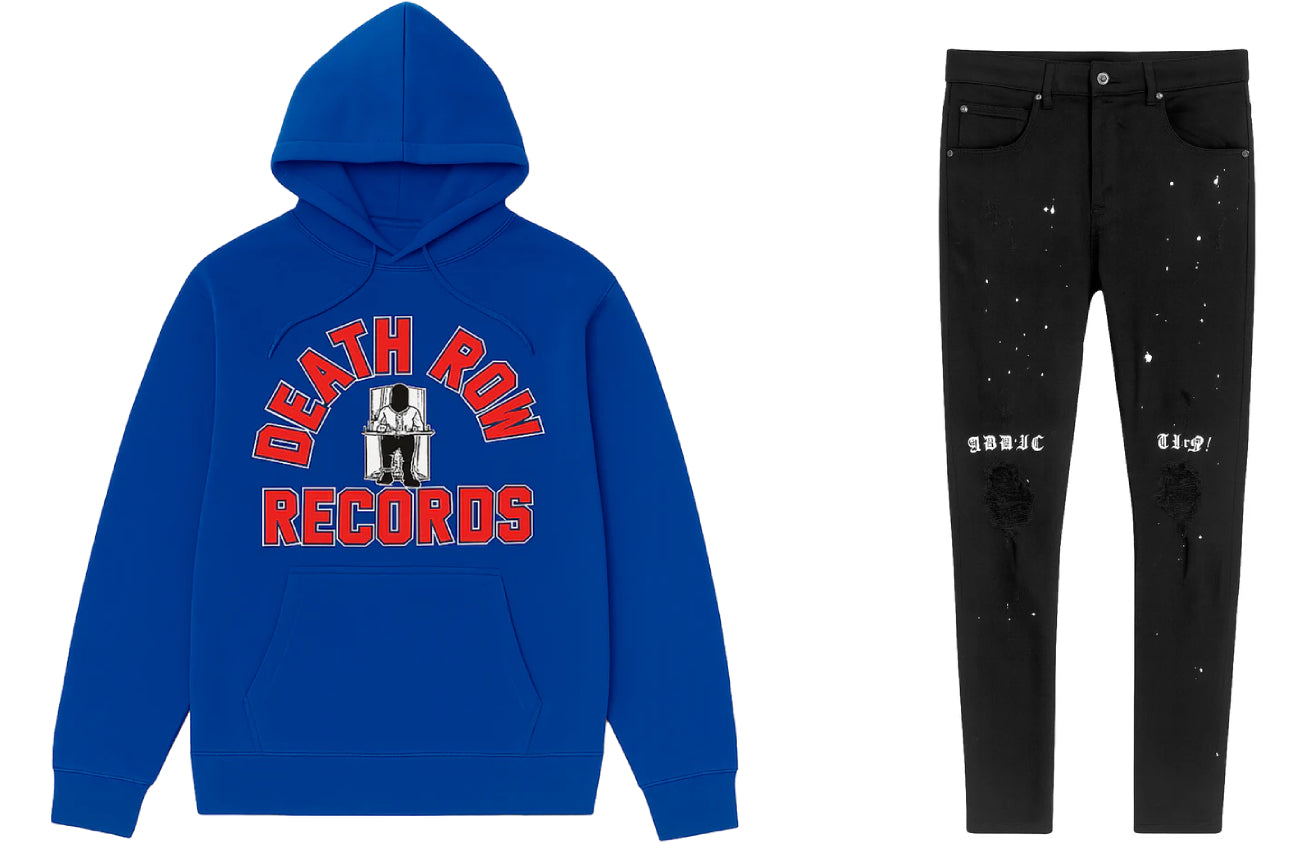

Dead stock isn’t only inventory; it’s also frozen cash flow hanging on your racks. And in streetwear retail, that’s one of the fastest ways to shrink margins and stall growth.
Every retailer knows the sting of overbuying a trend that cools off too quickly or misjudging demand on a new drop. Dead inventory doesn’t just take up space, it limits your ability to reinvest in fresh styles, blocks shelf space for faster-moving pieces, and quietly eats into profitability. In a category as fast-moving as men’s streetwear, slow turnover can quickly snowball into missed opportunities.
The good news? Dead stock isn’t inevitable. With smarter planning, disciplined purchasing, and a proactive approach to inventory management, you can significantly reduce risk and keep your shelves working for you, not against you.
Here are four practical strategies streetwear retailers can use to avoid dead inventory and keep product moving consistently:
1. Trend Timing: Buy Before the Peak
In streetwear, timing is everything. Trends don’t just change with the seasons, they can shift in a matter of weeks. What’s selling out today can feel overplayed tomorrow, and if you’re holding too much inventory when momentum fades, you’re left discounting instead of profiting.
The key isn’t chasing trends late, rather it’s identifying them early and buying strategically before they hit full saturation.
So how do you stay ahead?
Pay close attention to the signals. Social media platforms, emerging artists, influencer styling, sneaker drops, and even underground fashion communities often reveal what’s about to surge. When certain silhouettes, colors, or graphics start appearing repeatedly across culture, that’s your cue. Runways and street-style coverage also offer valuable insight into upcoming fits and fabrics that will trickle into everyday retail.
Retailers who buy during the rise, not after the peak, maximize sell-through while demand is hot. The goal isn’t to overcommit. It’s to recognize early traction, place calculated orders, and capitalize while the trend still feels fresh.
2. Order Sizing: Start Small
Most retailers want to make sure they have enough goods for their customers. Seems like a good way to run a streetwear biz, right?
In theory, it’s a good idea to have endless products to cater to your clientele. Unfortunately, though, there’s a fine line between being well-stocked and overstocked.
If you always find yourself with way too many items, consider placing smaller initial orders. Only order when a product has a proven track record of flying off the shelves.
Remember - it’s better to sell out and need to buy more than sitting on a mountain of leftover items.
3. Fit Selection: Buy Top Selling Sizes
No two bodies are the same, but let’s face it - some sizes are more common than others. And while we understand you want to cater to all body types, it’s not exactly necessary to buy the same number of items for every size.
Here’s a quick way to buy into your customer’s body:
- Analyze past sales. Which sizes sold the most? Buy more of these sizes and fewer of others.
- Consider purchasing more oversized/relaxed items. These can appeal to a broader range of streetwear consumers without risking fit-specific sizing mishaps.
- Shy away from extreme cuts or experimental fits unless you know you have a market for them.
4. Inventory Rotation: Act Before It Stagnates
Last but not least, you’ve got to rotate your inventory.
- Refresh your sales floor periodically. Sometimes, an item isn’t selling simply because customers aren’t noticing it due to its location. Switch things up to make sure everything gets visibility.
- Bundle underperforming items with top sellers. Hey, you gotta get rid of those underperformers somehow, right? And who doesn’t love a good deal!
- Don’t be afraid of markdowns! Customers love to find streetwear products at a great price. Sometimes, all it takes is a 25% off sign to seal the sale.
Avoid Deadstock with Steal Deal Today
Dead inventory doesn’t just take up space, it limits your growth. Every dollar tied up in slow-moving product is a dollar you can’t reinvest into new arrivals, trending fits, or fast-selling essentials. In streetwear retail, momentum matters. The shops that stay lean, strategic, and trend-aware are the ones that build consistent cash flow and long-term profitability.
Avoiding deadstock isn’t about guessing right every time, it’s about buying smarter. Stay ahead of trends instead of chasing them late. Start with calculated order sizes and scale up based on performance. Focus on the fits and sizes your customers actually buy. Rotate inventory before it stagnates. When you approach wholesale purchasing with discipline and strategy, you protect your margins and create room for growth.
That’s where Steal Deal makes the difference. With a wide selection of in-demand men’s streetwear, trend-forward styles, and proven staples, Steal Deal helps retailers stock inventory that moves. Whether you’re refreshing your shelves with oversized essentials, utility-inspired pieces, or top-selling basics, you can buy with confidence knowing you’re sourcing styles built for strong sell-through.
If you’re ready to reduce risk, improve turnover, and keep your store stocked with what actually sells, it’s time to level up your buying strategy.
Visit www.StealDeal.com today to explore the latest wholesale men’s streetwear and start stocking smarter for stronger sales